

Beyond the Competition: The lasting legacy of WorldSkills
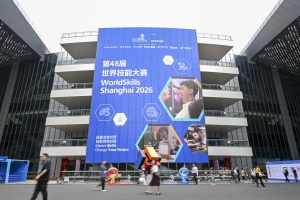
WorldSkills Shanghai 2026 has come to an end. The workshops have fallen quiet and the medals have all been handed out. But what remains can be harder to see: young people who have discovered a profession worth pursuing, employers with a sharper understanding of the skills their industries need, educators with new ideas for training, and a wider public seeing skilled work in a different light.
For decades, academic qualifications have often been seen as the safest route to a successful career. WorldSkills offers a different picture. It puts precision, craftsmanship, problem-solving, and practical expertise on the global stage, reminding audiences that a person’s ability to make, repair, design, build, and create is not simply a means to an end. It is a form of knowledge in its own right.
The Competition also gives that message a human face – and a young one. WorldSkills Competitions are designed around young professionals at the beginning of their careers. That focus is deliberate. The event is not simply a test of what an experienced craftsperson can achieve after decades in the trade. It asks a new generation to push their skills to an extraordinary level, often under intense time pressure and in front of an international audience.
For a young person training in a workshop or vocational college, seeing someone their own age compete at the highest level can change the way they see their own future.
A skill that once seemed like just another subject can become a profession. A training room can begin to look like the starting point of a career. And a young person who has spent years practicing the same movement, process or technique can begin to understand that mastery is something worth pursuing.
This is why the impact of WorldSkills extends far beyond the Competitors themselves. Its real audience is much larger: the students watching them, the teachers preparing the next generation, the companies looking for skilled talent, and the families deciding what kind of education and career path to encourage.
The Competition also offers a window into where industry is heading. WorldSkills does not simply preserve established skills. Its skill portfolio evolves with technology, industry, and society. New areas sit alongside fields with much longer traditions, reflecting the changing demands of the labour market.
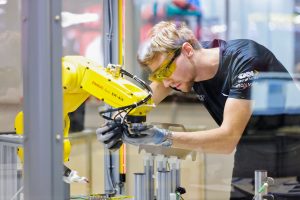
For China, that connection is particularly significant as industries move towards higher levels of technology, quality, and specialization. Skilled people are essential to turning new technologies into real-world results and to making innovation reliable, precise, and useful.
A Competition may last only a week. The habits it celebrates can last for a whole career. That is why the legacy of WorldSkills cannot be measured only in medals or records. Its deeper impact lies in changing how people see skilled work, giving young people a clearer sense of what they can become, and helping education and industry keep pace with a changing economy.
Its most enduring legacy is not what happens when the Competition clock stops. It is what happens next.